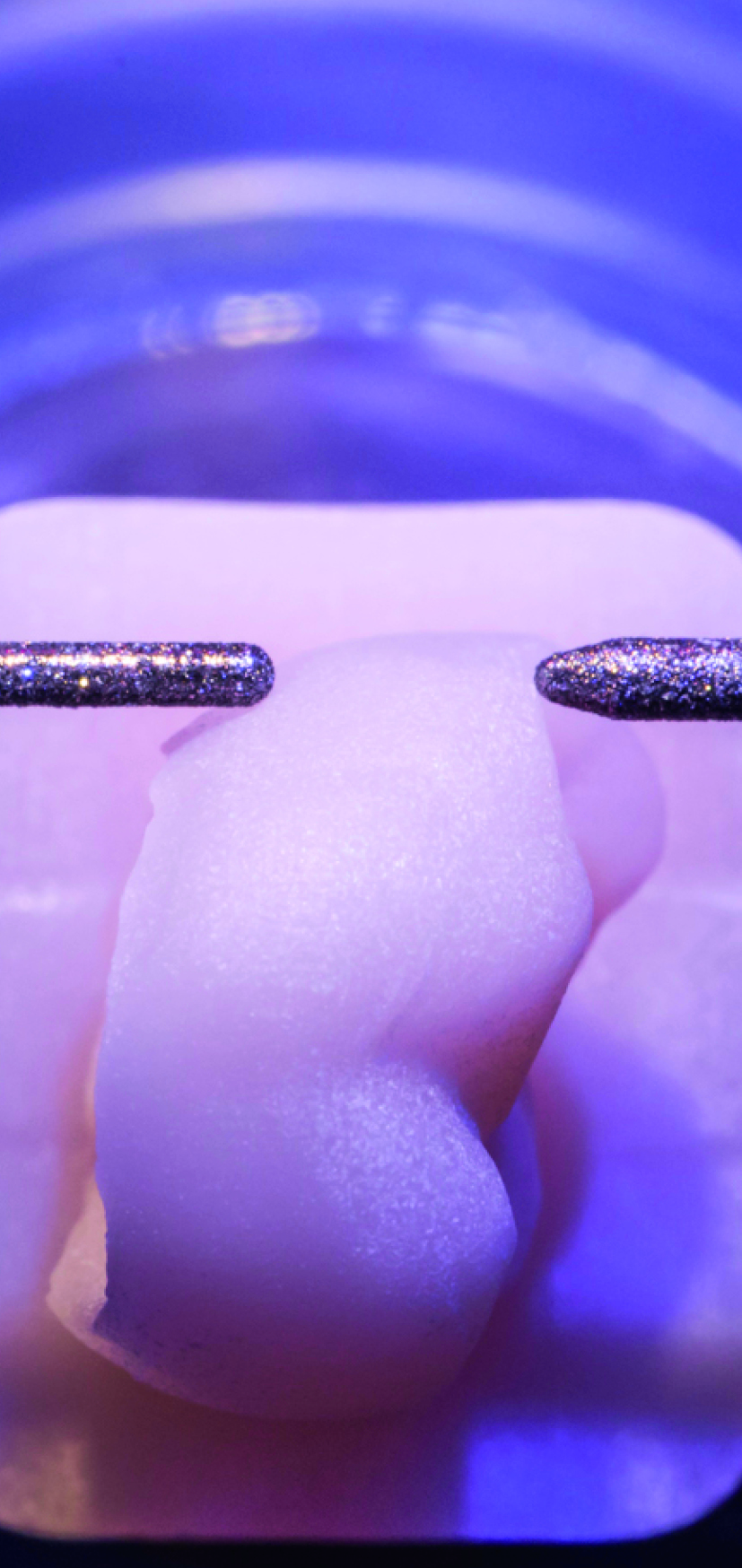
Webinar Content Over 40 years ago, the first CEREC inlay was fabricated and placed in a single session for a patient. Using the CEREC 1 camera, the cavity was captured in a single image, the inlay was designed using the software, and milled from a block of feldspar ceramic. Today’s chairside workflow remains the same, but the hardware, software, and clinical indications have evolved significantly. A wide variety of material blocks are now available for the CAD/CAM chairside workflow. These include zirconia ceramic, glass ceramic, hybrid ceramic, and composite blocks. These materials have very different properties regarding strength, aesthetic appearance, and the type of post-processing required.
With today’s intraoral scanners, highly accurate full-arch scans can be taken and 3D models generated. With today’s cloud solution, the processing of scanner data and model generation no longer takes place locally on a PC in the practice, but in the cloud. The CEREC software is also being moved to the cloud and is operated via a standard web browser. Installation on a computer or on-site software updates at the dental practice are no longer necessary.
Highlights:
Clinical indications for chairside CAD/CAM
Inlays, partial crowns, crowns, implant crowns
Limitations
Are complex cases possible?
Clinical performance of CAD/CAM materials
Post-processing of CAD/CAM materials
Hardware and software updates
Manufacturing: additive processes (3D printing) vs. subtractive processes (milling)