
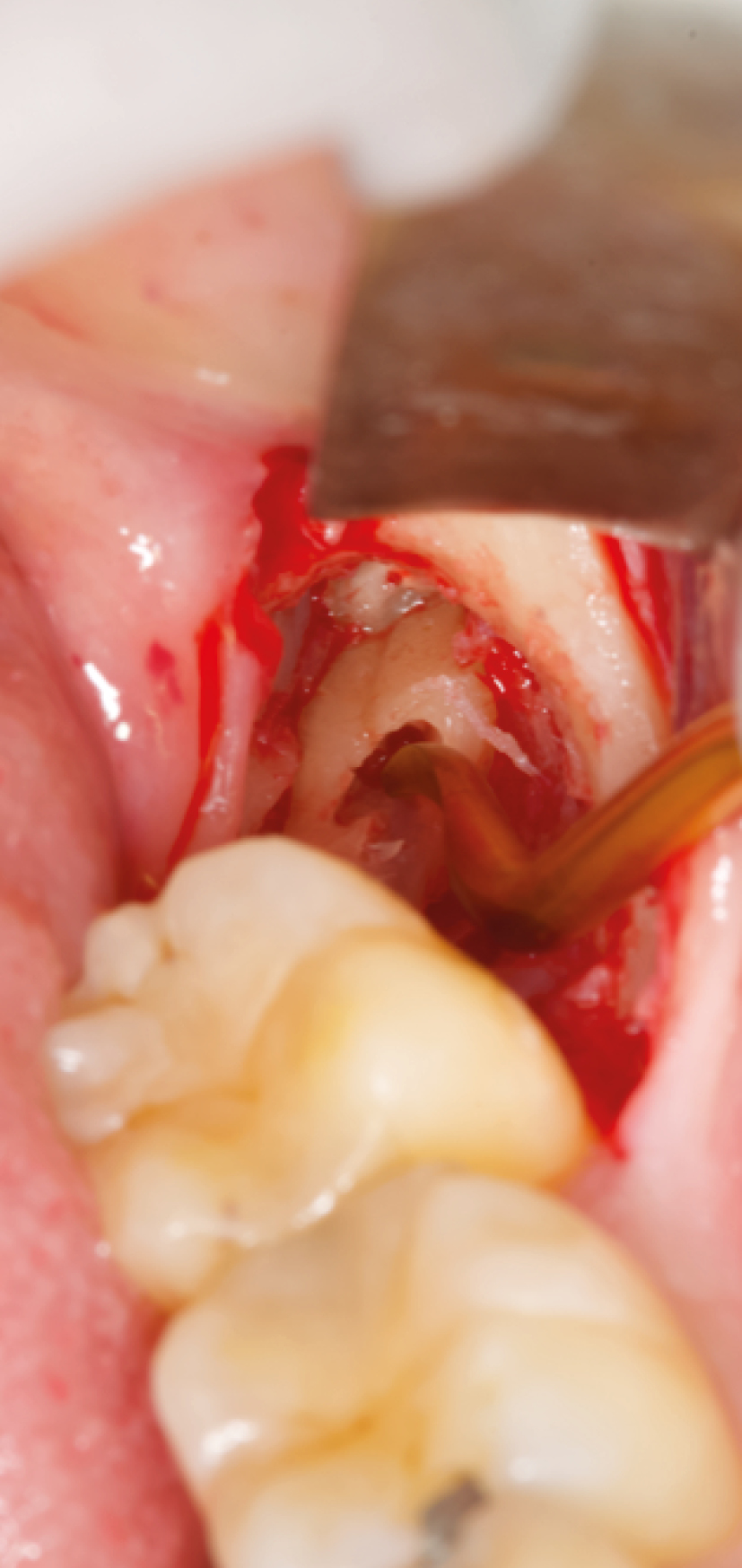

Tooth extractions are the surgical procedure most frequently performed by the dentist. Piezoelectric technology simplifies this surgical practice for the clinician since the luxation and extraction exploit ultrasonic vibration and not the force that is normally applied to the lever or forceps, instruments that piezoelectric extraction makes less attractive.
The new inserts that allow less traumatic access to the element to be extracted will be analyzed. Moreover, the new piezoelectric unit presents two different handpieces: one for multipurpose and one dedicated to implantology. The aim of the course is to create a theoretical and practical path from clinical radiological diagnosis to intervention planning.
We will focus on single teeth extractions that will require implant substitution and impacted teeth in different anatomical areas. The procedures to reduce the invasiveness of the surgical act and consequently the risks for the patient will be analyzed. Slides and videos will support the practical part on animal models.
At the end of the day participants will have new instrumentationknowledgeto perform easy and straightforward procedures, increasing the possibility to treat more complex cases.
Focus:
Identify and assess the clinical challenges associated with tooth extraction procedures.
Highlight the benefits and advancements of piezoelectric technology in surgical applications.
Demonstrate the clinical efficacy and precision of ultrasonic- powered instrumentation.
Emphasize the critical role of accurate and transparent diagnostic imaging in treatment planning.
Present a standardized, reproducible surgical protocol to enhance predictability and reduce procedural risk.
Practice and hands-on new piezo-levers instruments to perform a minimally invsive extraction procedure.